
by WorldTribune Staff, May 19, 2026 Non-AI Real World News
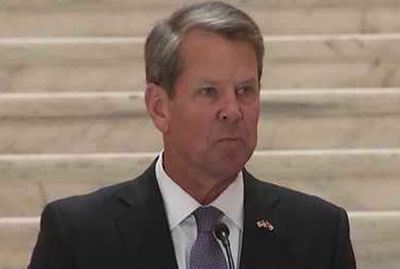
Georgia’s election investigators halted their probe of the 2020 election results at the request of Republican Gov. Brian Kemp, according to newly unsealed testimony from Fani Willis’s 2022 special purpose grand jury.
In the transcripts, former U.S. Senator David Perdue described that, in May 2021, he gave Georgia Bureau of Investigation (GBI) Director Vic Reynolds a packet of 2020 election evidence that Reynolds himself called “compelling” enough to investigate.
The packet, which included what Perdue characterized as “video evidence and cell phone evidence, along with testimony and bank records that are corroborated,” had been compiled by True the Vote.
Reporting for The Federalist, Mark Davis noted that Reynolds had initially viewed the evidence as compelling enough to warrant a full investigation.
Perdue also pushed back during the session when prosecutor Nathan Wade questioned him about prior probes that had purportedly cleared the matter, replying that those investigations were “not to my satisfaction.”
In November 2021, Reynolds called Perdue back. According to Perdue’s sworn account, Reynolds first told him “the governor wants me to tell you why we’re not going to investigate,” then added: “We’re not going to investigate because … I’m a team player. If the governor doesn’t want to investigate, we’re not going to investigate.”
Davis noted in his May 18 report:
Before April 2022, the GBI had no independent original jurisdiction over election crimes. Its role was to respond and assist when requested by the secretary of state, local district attorneys, or the state election board. The General Assembly changed that with Senate Bill 441, signed by Gov. Brian Kemp on April 27, 2022. The new law gave the GBI explicit concurrent jurisdiction over election crime investigations in some circumstances, plus subpoena power with the consent of the attorney general. Lawmakers explicitly designed the reform to address the very backlogs and political hesitancy that Perdue’s testimony now illustrates in stark detail.
In other words, the very changes that lawmakers passed to insulate future probes from political pressure arrived after Reynolds had already declined to pursue evidence a U.S. senator described as compelling. Reynolds’ public letter of Oct. 22, 2021, had already signaled the outcome: the data was “curious” but did not meet probable-cause thresholds.
Perdue noted on the record that Reynolds received a promotion to Superior Court Judge of Cobb County shortly after the grand-jury session. This was the same panel that recommended racketeering charges against President Donald Trump and 18 others.
Meanwhile, both Kemp and Raffensperger were known to have higher political ambitions before the 2020 election investigation was scrapped.
“Raffensperger’s gubernatorial aspirations were well-known to his close supporters in 2018 before he was even elected as secretary of state, and he is currently a candidate for the office. Meanwhile, Gov. Kemp, a former two-term secretary of state himself, was and still is rumored to be considering a campaign for president in 2028. Critics claim they, and their lieutenants, were more concerned with protecting their political legacies and future aspirations than they were with protecting the integrity of our elections,” Davis wrote.
Davis concluded: “But, on paper at least, the State Election Board now has the statutory tools — and the public record — to refer other high-impact matters for investigation. Whether the board and GBI will make appropriate use of them in future elections will be the real test of the new paradigms codified into SB 441.”
2026 Contract With Our Readers

Unsealed testimony: Georgia’s Gov. Kemp stopped investigation of 2020 election added by Editor Two on
View all posts by Editor Two →