
Analysis by WorldTribune Staff, December 2, 2025 Real World News
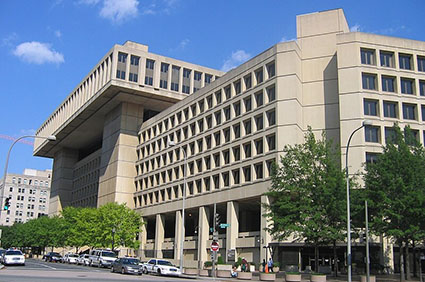
Does the “Deep State” exist outside the conservative movement’s collective, conspiratorial imagination and if so might it have anything to do with the legendary “7th floor” of the FBI building?
An “executive exemption” from internal investigations has long been an unwritten policy at FBI headquarters in Washington, D.C., a whistleblower told the House Judiciary Committee.
An FBI employee told the committee that members of the FBI Senior Executive Service (SES), the unit that investigates counterespionage inside the bureau, has engaged in “gross misconduct, fraud and potentially criminal activities.”
“In effect, FBI SES executives are exempt from the type of counterintelligence investigations that have been conducted against other public officials, including President Donald Trump,” the whistleblower said.
The whistleblower provided one example where the FBI “received information that a retired FBI assistant director had classified information at his home” but faced no repercussions, according to a report on Nov. 20, 2025 by Kerry Picket for The Washington Times that has received almost no media attention.
The whistleblower reported the failure of Internal Counterespionage Cell [ICEC] investigators to the FBI’s Internal Affairs Section of the Inspection Division, but then experienced retaliation, said the whistleblower’s attorney, Kurt Siuzdak, who prepared the disclosure.
“After this FBI employee reported the misconduct of ICEC to the Inspection Division, the Inspection Division allowed the Counterintelligence executives to retaliate against the reporting employee by transferring him/her to another office. Retaliatory transfers are prohibited by law and regulation,” Siuzdak said. “Another employee in ICEC was also threatened after he complained about the issues in ICEC. The Inspection Division took no action to stop the reprisal against this FBI employee.”
According to the disclosure, the FBI has the authority to investigate the family and cohabitants of FBI employees, but “does not open these investigations against the families or cohabitants of FBI SES executives.”
In another example cited by the whistleblower, a counterintelligence senior official did not recuse himself after it was determined that he was one of the potential anonymous subjects in a case about to be opened.
The official’s “refusal to open the investigation prevented the case from being opened and the evidence was subsequently destroyed,” the whistleblower said.
The same counterintelligence senior official “refused to open an internal espionage investigation against another FBI SES executive after a separate intelligence agency provided credible articulable facts that the executive was likely involved in espionage activities.”
“In another instance, ICEC had not opened a counterintelligence investigation against an FBI employee, which caused espionage activity by the FBI employee to go on for years, and caused the loss of multiple millions of dollars because certain technology became useless,” the disclosure to Congress said.
Siuzdak said the employee who made the disclosure was unaware of any Senior Executive Service employee who had ever been investigated after the Internal Counterespionage Cell received information about potential counterintelligence activities involving the executive.
Support Free Press Foundation

Whistleblower: Top FBI brass, unlike presidents, have for years been ‘exempt’ from investigations added by Editor Two on
View all posts by Editor Two →