
Analysis by WorldTribune Staff, January 14, 2026 Real World News
It’s long been known that the Chinese Communist Party (CCP) manipulates trade data to its benefit.
For example, China is known to count goods produced by foreign firms in China as exports even if they never leave the country.
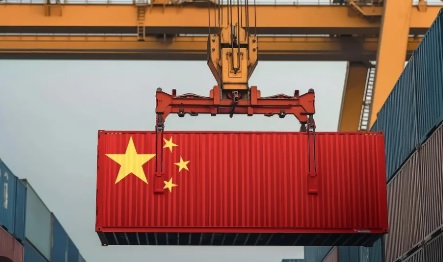 The question is, why do media outlets such as The Associated Press continue to run with the CCP’s numbers as gospel despite knowing that history?
On Jan. 14, the AP reported on the latest trade data coming from the CCP with the headline: “China’s trade surplus surges 20% to a record $1.2 trillion, even with Trump’s tariffs”.
The report notes that China’s exports to the U.S. fell 20% in 2025, but claimed that was more than made up for with increased exports to other regions.
China specialist Miles Yu and a former Geostrategy-Direct.com contributing editor called out the AP, writing on social media:
China’s export numbers are fake and unreliable — and the West keeps pretending they’re gospel because the headlines are politically convenient. A strong CCP export print is often used to “prove” tariffs failed and to dunk on Trump-era trade policy. But China’s own reporting (eg China Business Network or Yicai Global, 上海第一財經) shows how the game works: real goods, fake attribution, shell firms “buy” export records, and subsidies reward the paperwork, not the production.
That’s not trade strength, it’s statistical theater. A non-market regime needs numbers like this to bamboozle investors and governments. U.S. policy should treat CCP trade data as claims to audit, not facts to cite.
What many believe is fake economic data comes at a time when China is struggling with a prolonged economic downturn under the Xi Jinping regime.
Xi’s claim that China recorded economic growth of 5.2% by the last quarter of 2025 is being strongly questioned by international analysts.
The Rhodium Group, a respected global consultancy, has alleged that the official growth numbers are highly exaggerated and that Beijing has misled both the public and investors by releasing inflated data. According to the firm, China’s underlying economic indicators are inconsistent with the government’s headline growth figures.
Economists point out that China has experienced severe deflation for more than 10 consecutive quarters. Deflation occurs when inflation falls below zero, leading to falling prices, weak demand, and reduced corporate profitability. In such conditions, consumers delay spending, companies struggle to generate profits, and economic momentum slows sharply.
The Rhodium Group noted that no major economy that has experienced such a prolonged period of deflation has ever achieved GDP growth of around 5%.
2026 Contract With Our Readers

China specialist calls out AP for ‘fake’ news on CCP trade ‘surge’ claims added by Editor Two on
View all posts by Editor Two →